



How to Evaluate a PPF Cutting Software Database Before You Buy
When buyers compare PPF cutting software, one number often gets a lot of attention:
How many vehicle patterns are in the database?
It is an easy number to compare.
One software says it has tens of thousands of patterns.
Another says even more.
On a product page, a bigger number naturally looks better.
But for a real PPF shop, that number only tells part of the story.
A database can be huge and still be frustrating to use.
It may contain many old models but miss the vehicles your shop sees every week.
It may list the correct vehicle name but only include a few panels.
It may have the pattern you need, but the fit is poor and the installer has to spend extra time adjusting it.
That is why buyers should not ask only:
“How big is the database?”
A better question is:
“How useful is this database for the vehicles my shop actually works on?”
Start With the Cars You Actually See
The first thing to check is not the total number of patterns.
It is local relevance.
A shop in Thailand may see a very different mix of vehicles from a shop in Germany, the United States, or the Middle East.
Even within the same country, one shop may mainly work on premium vehicles while another sees mostly family cars, pickup trucks, or commercial vehicles.
That means the best database is not necessarily the biggest one.
It is the one that matches your real customer base.
Before buying software, take a look at the vehicles your shop handled recently.
Not six months ago.
Not the dream cars you would like to work on.
Look at the cars that actually came through the door.
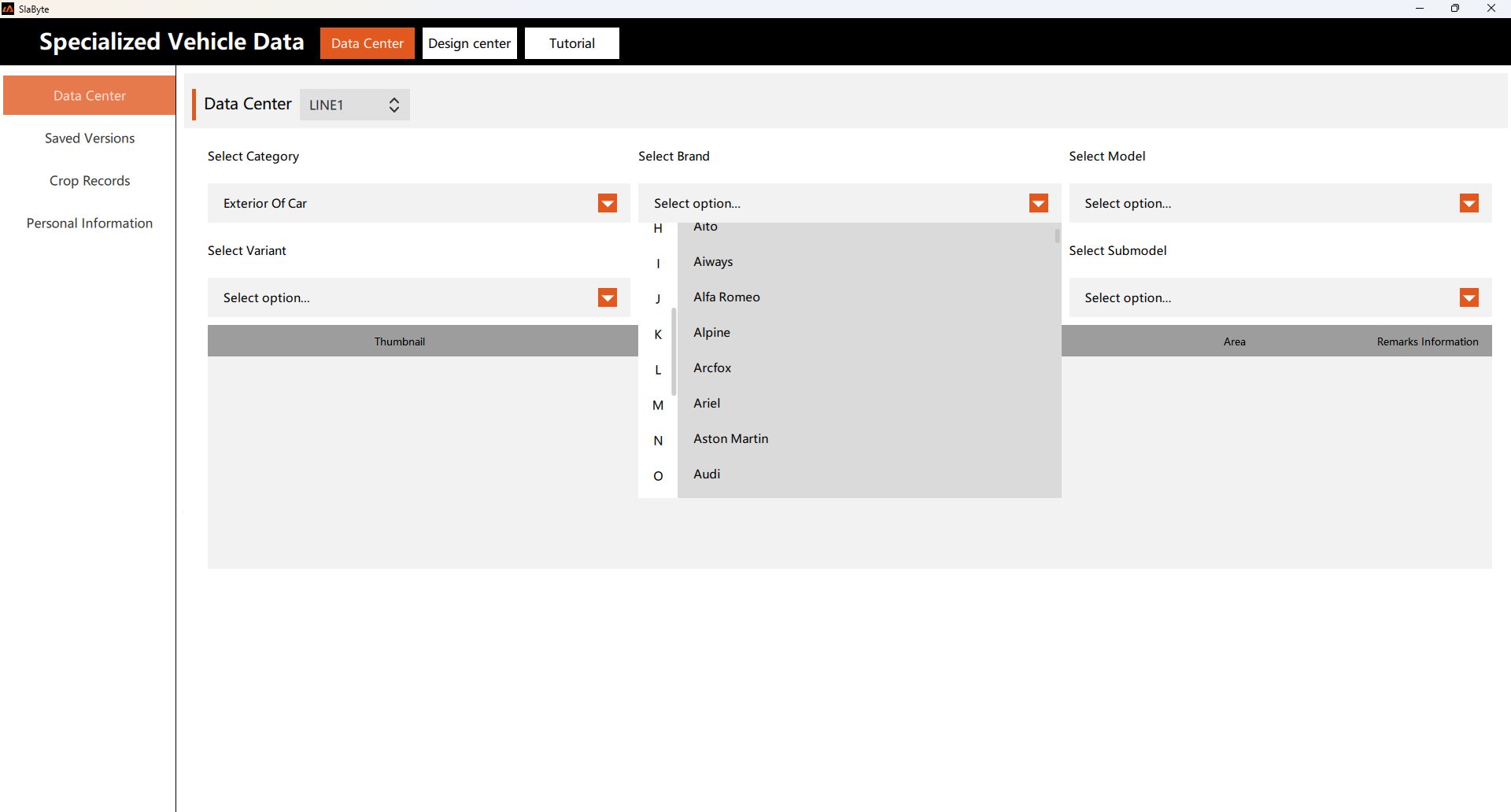
Then search those models in the software.
If your most common vehicles are difficult to find, the database may not be as useful as the sales page suggests.
Do Not Stop at the Vehicle Name
Finding the model name is only the first step.
You also need to check how detailed the data is.
For example, the same model may have:
- different model years
- facelift and pre-facelift versions
- different body styles
- sport and standard trims
- different bumpers
- regional variations
These differences can change the shape of a panel.
A front bumper from one trim may not match another.
A facelift model may look similar from a distance but still use different dimensions around lights, vents, or edges.
This matters because PPF is not installed on a vehicle name.
It is installed on a real physical panel.
The more accurately the database separates versions, the less guessing the installer has to do.
Check Whether the Vehicle Is Actually Complete
Another common mistake is assuming that a listed vehicle means full coverage.
It does not always.
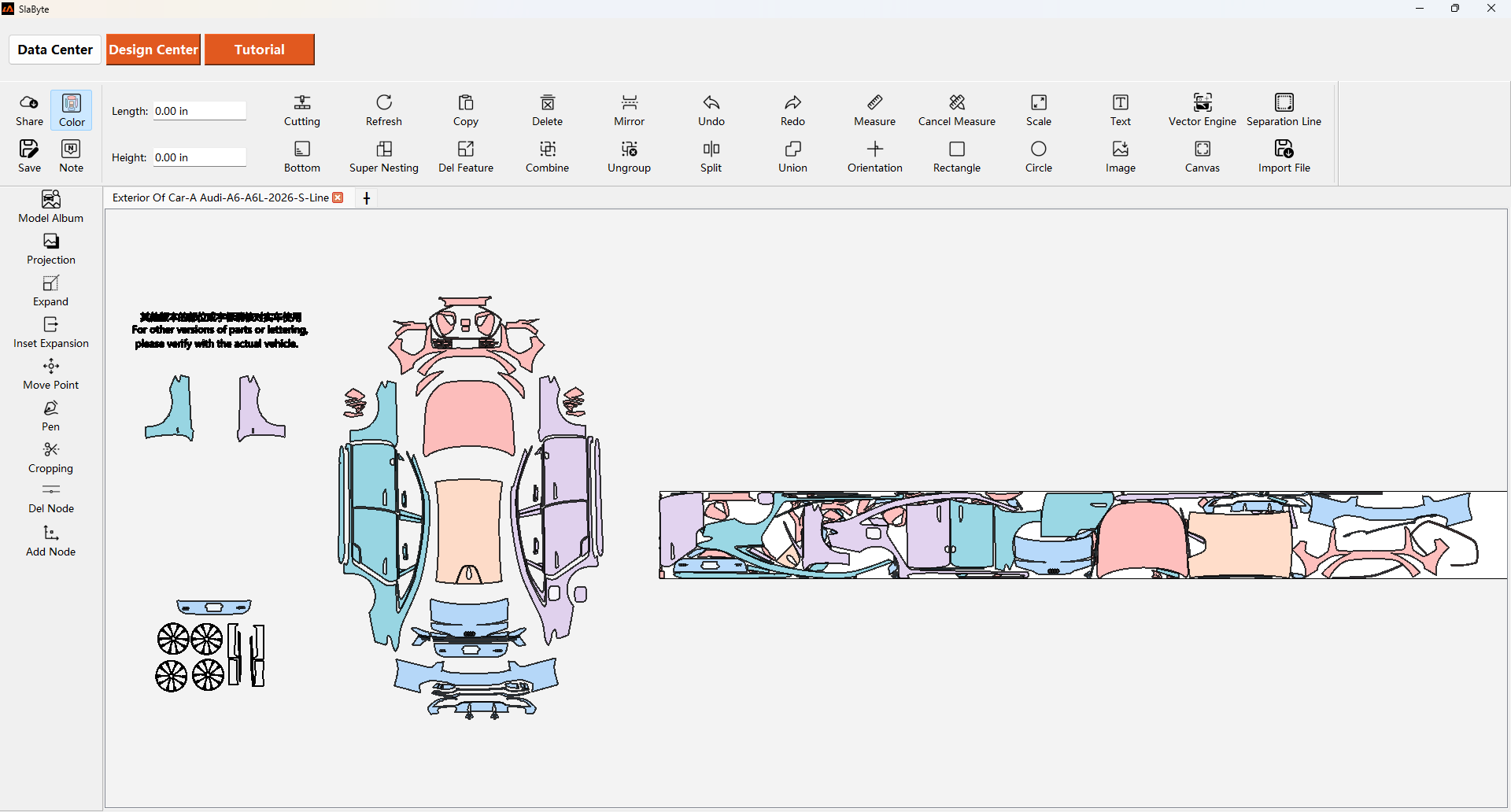
A database may include the vehicle, but only have a hood and front fenders.
Another may include the full front but not the doors or rear quarters.
For buyers, this is especially important if the shop sells different service packages.
A full-front shop needs one level of coverage.
A full-body PPF shop needs much more.
When checking a database, look at the actual panel list.
Can you find:
- hood
- front bumper
- fenders
- mirrors
- doors
- rocker panels
- rear quarter panels
- trunk or tailgate
- roof sections
The answer matters more than the total number printed on the website.
Pattern Accuracy Matters More Than Pattern Count
A database can have thousands of patterns, but if installers regularly need to re-cut or manually correct them, those patterns are not saving much time.
This is where accuracy becomes important.
A useful PPF pattern should give the installer a strong starting point.
That does not mean every pattern has to fit every situation perfectly.
Real vehicles can vary.
Previous repairs, aftermarket parts, and production differences can all affect fit.
But the base pattern should be reliable enough that the installer is not constantly fixing major problems.
This is one reason buyers should understand how accurate PPF cutting data is , instead of judging a database only by size.
A large database looks good on a sales page. A useful database covers the cars your shop actually works on.
Editing Flexibility Is Easy to Ignore Until You Need It
Even a good database cannot predict every installation preference.
Different shops work differently.
Some installers prefer more material around edges.
Some want tighter coverage.
Some wrap edges whenever possible.
Others leave specific areas exposed for easier installation or service.
That means editing tools matter.
Before buying, check whether the software allows installers to:
- extend edges
- shorten patterns
- adjust individual nodes
- change selected sections
- modify coverage before cutting
This can make a big difference in daily use.
A fixed pattern may work well in many cases.
But when it does not, the ability to adjust it can save both time and film.
This is also where experienced installers and digital tools work best together.
The software provides the starting point.
The installer makes the final decision.
Update Speed Matters More Than Many Buyers Expect
Vehicle databases are never really finished.
New models appear.
Facelifts are released.
Regional versions change.
Manufacturers update bumpers, lights, trim, and body details.
So a database that looks strong today can become less useful if updates are slow.
Before buying, ask how often new data is added.
Weekly?
Monthly?
Only when customers request it?
Also ask what happens when a new model is missing.
Can users submit a request?
How are requests prioritized?
How long does it normally take to add a new vehicle?
These questions matter for shops working with new cars.
A shop cannot always tell a customer:
“Come back in three months when our software catches up.”

Ask How the Data Is Verified
This is one of the most important questions buyers can ask.
Where does the pattern come from?
Was it measured from a real vehicle?
Was it tested?
Was it corrected after installation feedback?
Not all databases are built in the same way.
Some patterns may come from vehicle scans.
Some may be based on CAD information.
Some may be adjusted through installer feedback.
The method matters less than whether there is a real verification process.
What buyers should care about is whether the supplier has a system for finding and correcting bad data.
Because no large vehicle database will be perfect forever.
The more important question is:
What happens when a problem is found?
A reliable supplier should have a clear way to receive feedback and improve the pattern.
Test the Database With Real Jobs, Not Random Cars
If the software offers a trial, use it properly.
Do not search for a few exotic cars just because they look impressive.
Instead, take your recent job list and test the vehicles your shop actually installs.
A simple approach is to choose 10 to 20 vehicles from the last month.
Search each one.
Check:
- whether the exact version is available
- whether the panel coverage is complete
- whether the pattern can be edited
- whether the naming is easy to understand
- whether the data feels practical for your workflow
This will tell you much more than a demo with a random supercar.
Buyers sometimes get distracted by unusual models.
But daily profitability usually comes from normal repeat jobs.
Local Market Support Is More Important Than It Sounds
A global database is useful.
But local coverage still matters.
Some vehicles are common in one country and rare in another.
Regional trims may also be different.
That is why buyers should ask whether the software provider actively supports their market.
Does the company collect region-specific models?
Does it respond when local users request missing vehicles?
Does it understand the vehicles that dominate your area?
For shops outside North America and Europe, this can be especially important.
A database may look impressive globally but still feel incomplete locally.
Think About the Entire Cutting Workflow
Vehicle data is only one part of the process.
The software also needs to fit the way the shop works.
A typical digital workflow may include:
↓
Pattern Selection
↓
Pattern Editing
↓
Nesting
↓
Cutting
↓
Installation
If one step is slow or confusing, the entire system feels harder to use.
That is why buyers should not evaluate the database separately from the rest of the workflow.
A strong database inside difficult software can still create frustration.
Likewise, easy software with weak data will eventually create installation problems.
The two need to work together.
For a broader look at this idea, our article on workflow from data to delivery explains why the connection between data, software, and cutting matters.
Do Not Let the Machine Distract You From the Data
When shops invest in digital cutting, the machine often gets most of the attention.
That is understandable.
The machine is physical.
You can see it.
You can watch it move.
You can compare speed, size, and specifications.
Data is less visible.
But in daily work, poor data can create just as many problems as poor hardware.
A perfect machine cannot fix the wrong pattern.
It cannot correct the wrong model year.
It cannot decide that a bumper needs more edge coverage.
That is why buyers should think about the full system, not only the cutter.
If you want a deeper look at the relationship between cutting accuracy, equipment, and data, see why precision matters in the cutting process .
What Buyers Should Ask Before Purchasing
Before choosing a PPF cutting software database, buyers should be able to answer a few practical questions.
- Does it cover the vehicles my shop actually sees?
- Does it separate different years and trims clearly?
- Are the panels complete?
- Can installers edit patterns easily?
- How often is the database updated?
- What happens when a pattern is wrong?
- How are missing vehicles requested?
- Is there strong coverage for my local market?
These questions are much more useful than asking only for the total number of templates.
Final Thoughts
A PPF cutting database should make daily work easier.
That sounds simple, but it is the most important standard.
The best database is not automatically the one with the biggest number.
It is the one that helps a shop find the right vehicle quickly, gives installers reliable starting patterns, allows useful adjustments, and keeps up with the market.
For buyers, the smartest way to evaluate software is to ignore the headline number for a moment.
Take your real job list.
Search your real vehicles.
Check the actual panels.
Try the editing tools.
Look at how updates are handled.
Then ask yourself one question:
Would this database make our normal working day easier?
If the answer is yes, the software is probably worth a closer look.