



How to Choose a Cutting Plotter for PPF, Window Tint, and Vinyl Wrap Shops
Buying a cutting plotter sounds simple at first.
You compare the price, check the cutting width, look at the speed, ask about the warranty, and then choose one that seems good enough.
But many shop owners only realize later that choosing a plotter is not just about the machine itself.
A plotter affects daily workflow, cutting accuracy, material waste, installer pressure, and even how many jobs a shop can finish in one day. If the machine does not match the shop’s real work, it can quickly become a source of trouble instead of a tool for growth.
This is especially true for shops that handle PPF, window tint, and vinyl wrap together. These materials may all be “film,” but they do not behave in exactly the same way. They have different thicknesses, cutting needs, handling habits, and job workflows.
So the better question is not simply:
Which cutting plotter is the cheapest?
The better question is:
Which cutting plotter actually fits your shop, your materials, your staff, and your daily orders?
This guide is written for buyers, tint shops, wrap shops, PPF installers, and film business owners who want to choose more carefully.
Why the Right Cutting Plotter Matters More Than Many Buyers Think
A cutting plotter is not just a machine sitting in the corner of the shop.
Once it becomes part of your workflow, it touches many parts of the business. It affects how fast your team prepares film, how clean the cut lines are, how much material is wasted, and how confident installers feel before they start the job.
A good plotter can help a shop work with better consistency. A poor fit can create daily frustration.
Some buyers only look at the purchase price. That is understandable, especially for new shops trying to control startup costs. But the real cost of a plotter is not only the money paid on day one.
The real cost also includes wrong cuts, wasted rolls, repeated calibration, slow support, machine downtime, and staff time spent fixing small problems.
For a growing film shop, those hidden costs can become much more expensive than the price difference between two machines.
A cutting plotter should not only be affordable. It should be dependable enough to support daily work.
First, Know What You Mainly Cut
Before comparing plotter models, buyers should first understand their main business type.
A shop that mainly cuts PPF may need something different from a shop that mainly cuts window tint. A vinyl wrap shop may care more about graphic cutting, lettering, logos, and repeat designs.
This is why copying another shop’s choice is risky. Their plotter may be right for their business, but not for yours.
For PPF Shops
PPF is usually thicker than window tint and many vinyl films. It also requires clean, accurate cuts because the film is often installed close to painted edges, sensors, bumpers, mirrors, handles, and headlights.
For PPF work, cutting stability matters a lot. If the cut is too deep, too shallow, or slightly inaccurate, the installer may need more trimming during installation. That increases risk and slows the job down.
PPF shops should pay attention to cutting precision, blade control, data compatibility, and how smoothly the machine handles thicker material.
For Window Tint Shops
Window tint shops often deal with repeated daily jobs. Speed is important, but speed alone is not enough.
A tint shop needs a plotter that can cut cleanly, feed film smoothly, and handle common tint patterns without constant adjustment. Long or narrow pieces should stay stable during cutting and handling.
This is especially important for small tint shops that want to reduce hand cutting and improve daily efficiency. Many small shops are already moving toward a more structured pre-cut software workflow because it helps reduce repetitive cutting work.
For Vinyl Wrap Shops
Vinyl wrap shops may not use a plotter for every full-body panel. Large color-change wrap jobs still depend heavily on installer skill, stretching, heating, and finishing.
But a plotter is very useful for custom graphics, racing stripes, decals, door logos, commercial vehicle branding, and fleet markings.
For vinyl work, buyers should think about graphic accuracy, smooth curves, lettering detail, repeat cutting, and how easy it is to prepare custom files.
Plotter Size: Bigger Is Not Always Better
Many buyers think a bigger plotter is automatically better.
That is not always true.
A larger cutting width can be useful, especially for shops handling bigger film rolls or wider materials. But size should match real shop needs. If the machine is too large for the space, it can make the working area crowded. If the shop rarely uses the full width, the extra size may not bring much value.
Before choosing a size, buyers should ask a few practical questions:
- What film widths do we use most often?
- Do we mainly cut PPF, tint, vinyl graphics, or mixed materials?
- How much space do we have for loading, feeding, and collecting film?
- Will our team actually use the wider cutting capacity every week?
A plotter needs enough space around it to work properly. Film rolls need to feed smoothly. Staff need room to load material, check the cut, and remove film without folding or damaging it.
A compact and stable setup may be better than a large machine that makes the shop harder to move around in.
The best plotter size is not the biggest one. It is the one that fits your material, your space, and your daily job type.
Cutting Accuracy and Stability Matter More Than Speed
Speed looks good on a spec sheet.
But in real shop work, a fast plotter is only useful when it can also cut accurately and consistently.
If a machine cuts fast but often needs correction, the shop does not really save time. The installer may need to re-cut pieces, adjust edges, or fix fitment issues during installation. That slows down the whole process.
For PPF, small cutting differences can affect alignment around headlights, mirrors, bumpers, and sensors. For window tint, inaccurate cuts can lead to edge gaps or extra trimming. For vinyl graphics, unstable cutting can distort letters, curves, and repeated designs.
This is why buyers should pay attention to more than cutting speed. They should also look at feeding stability, blade pressure control, tracking accuracy, and repeat performance.
The idea is simple:
A plotter should cut the first job well, and it should still cut the tenth job well.
For film shops, precision is not just a technical detail. It is part of service quality. If you want to understand why accuracy matters so much in film cutting, this article on why precision matters is a useful related read.
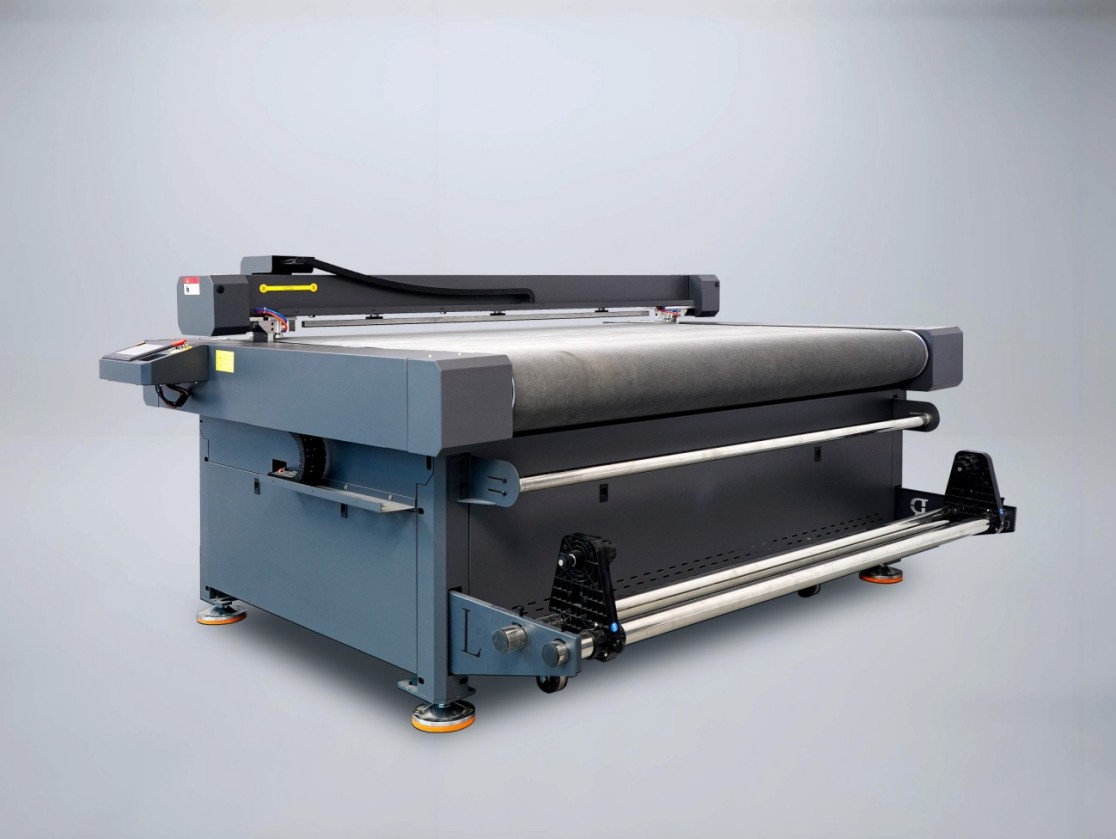
Software Compatibility Is a Big Deal
A cutting plotter does not work alone.
In a real shop, the machine is usually part of a bigger workflow. The team needs to choose the vehicle, select the right pattern, adjust settings, arrange the layout, send the file, cut the film, weed or separate the material, and then install it.
If the plotter does not work smoothly with the software, the whole process becomes slower.
This is why software compatibility should be one of the key things buyers check before purchasing. A good plotter setup should make the cutting process feel connected, not broken into many confusing steps.
For shops that handle different film services, this becomes even more important. A shop may cut window tint in the morning, PPF in the afternoon, and vinyl logos for a commercial vehicle the next day.
In this kind of mixed workflow, the plotter needs to support the shop’s actual job variety.
Buyers should not only ask whether the machine can cut film. They should ask whether the machine can fit into the shop’s full process, from data selection to final delivery. This is where a stronger workflow from data to delivery can make daily work much easier.
Material Handling Is Easy to Ignore, But Very Important
Material handling sounds like a small thing, but it affects daily use a lot.
Film needs to feed straight. The roll should not shift too much. The machine should handle the material smoothly without pulling, wrinkling, or creating uneven tension.
This matters because film is not cheap, especially for PPF and high-quality specialty materials.
If the material feeds poorly, the cut may drift. If the film moves during cutting, the shape may not come out correctly. If the operator has to watch every cut nervously, the machine is not really helping the shop save time.
Buyers should look at how the plotter holds the roll, how smoothly it feeds, and whether it can stay stable during longer cuts.
For window tint and vinyl graphics, this is important for long strips, logos, and repeated shapes. For PPF, it is important because pattern accuracy must stay consistent across the full cut.
Good material handling makes the cutting process feel calm. Poor handling makes every job feel risky.
Maintenance and Support Should Not Be Ignored
Every cutting plotter needs maintenance.
Blade holders wear over time. Cutting strips need attention. Pinch rollers may need cleaning or adjustment. Blade pressure needs to be checked. Dust, film residue, and daily use can all affect performance.
This does not mean a plotter is difficult to own. It simply means buyers should understand maintenance before buying, not after problems appear.
For small shops, this is especially important. If one machine stops working, the shop may not have a backup. A simple issue can delay several jobs.
Before buying, ask about spare parts, technical support, calibration guidance, and common troubleshooting. Also ask whether the machine is easy for normal staff to maintain, or whether every small issue requires outside service.
Many cutting problems are not serious if the team knows how to handle them early. For a deeper look at daily machine care, this guide on vinyl plotter maintenance can help buyers understand what to watch for.
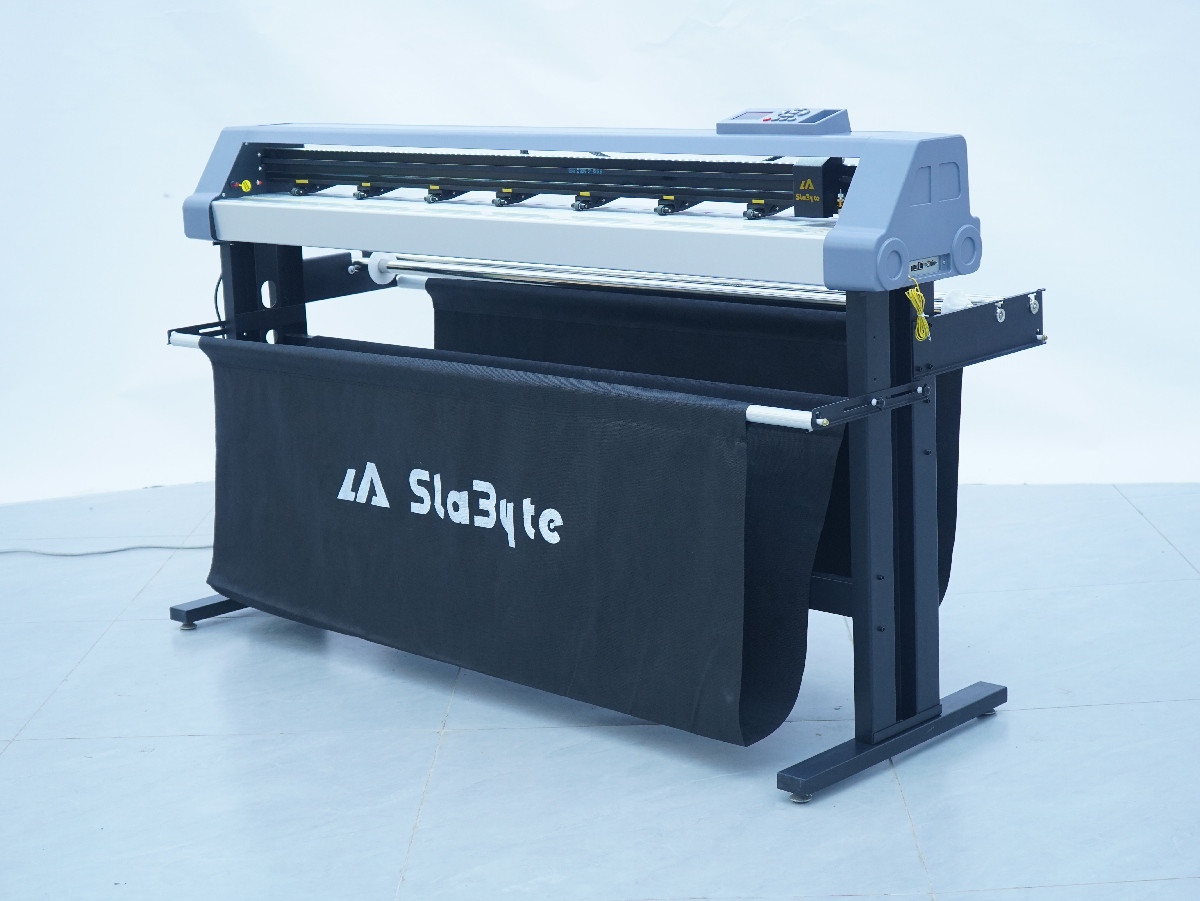
Match the Plotter to Your Shop Stage
Not every shop needs the same plotter.
A new shop, a growing shop, and a mature film business may all need different levels of equipment. The goal is not to buy the most advanced machine immediately. The goal is to buy something that supports the next stage of the business.
For New Shops
New shops should focus on stability, ease of use, and realistic cost.
At this stage, the team may still be learning the workflow. A complicated setup can slow things down. A reliable and easy-to-operate plotter is often more useful than a machine with many features the shop does not use yet.
For Growing Shops
Growing shops usually need better efficiency and repeatability.
They may have more daily orders, more employees, and more mixed film jobs. At this stage, software workflow, cutting accuracy, and stable feeding become more important.
The plotter should help the shop reduce repeated manual work and finish more jobs without creating more confusion.
For Mixed Film Shops
Some shops handle PPF, window tint, and vinyl wrap together.
These shops should pay more attention to material flexibility. The plotter needs to handle different film types, different job sizes, and different cutting habits.
A mixed film shop should also think carefully about workflow. If every material requires a totally different process, the team may lose time switching between jobs.
Common Mistakes Buyers Make When Choosing a Plotter
Many plotter buying mistakes are easy to understand.
Buyers want to save money. They want a fast machine. They want a large cutting size. They want the setup to look professional.
But a few common mistakes can create long-term problems.
- Only looking at price: A cheaper machine may cost more later if it creates waste, downtime, or poor support.
- Only looking at speed: Fast cutting is not helpful if accuracy and tracking are unstable.
- Ignoring software workflow: A plotter should fit the shop’s full cutting process, not work like a separate island.
- Forgetting maintenance: Every machine needs care, spare parts, and basic troubleshooting.
The smartest buyers do not choose based on one number. They look at how the machine will actually perform inside their own shop.
How Buyers Can Make a Better Decision
Before making a final decision, buyers should slow down and look at the shop’s real situation.
Think about your main services. Think about your film types. Think about your staff’s skill level. Think about how many jobs you handle per day and how many you want to handle in the future.
A plotter is not only a purchase. It is part of your shop’s production system.
Here is a simple way to think about it:
- If your shop mainly does window tint, focus on daily speed, stable feeding, and simple operation.
- If your shop mainly does PPF, focus on accuracy, blade control, and pattern consistency.
- If your shop does vinyl graphics, focus on clean curves, small details, and repeat cutting.
- If your shop does all three, focus on flexibility and workflow organization.
When the plotter matches the shop’s real workload, it becomes easier for the team to use it every day.
That is the real value.
Final Thoughts
Choosing a cutting plotter is not only about buying a machine.
It is about choosing how your shop will prepare film, control quality, train staff, reduce waste, and deliver jobs.
The best plotter is not always the cheapest one. It is not always the biggest one. It is not always the fastest one either.
The best cutting plotter is the one that fits your materials, your workflow, your team, and your business stage.
For PPF, window tint, and vinyl wrap shops, that kind of fit is what turns a machine from a simple tool into a real part of shop growth.