



Hand Cut vs Pre-Cut PPF: Why Both Methods Still Exist in the Industry
When people first enter the PPF industry, one of the most common questions they ask is:
“Is hand-cut PPF already outdated?”
Or:
“Should every professional shop switch to a pre-cut system?”
The answer is not as simple as choosing one method over the other.
Although the industry has changed significantly in recent years, both hand cutting and pre-cut PPF installation methods are still widely used by professional installers.
The reason is simple:
Different shops have different customers, different project requirements, and different business models.
A small customization studio may value flexibility and personal craftsmanship.
A high-volume PPF shop may need consistency, speed, and a more standardized workflow.
Understanding the difference between these two methods helps shop owners make better decisions about their installation process.
What Is Hand-Cut PPF?
Hand-cut PPF is the traditional method used by many installers before digital cutting systems became common.
With this approach, technicians usually measure the vehicle directly, position the film on the surface, and manually trim the material according to the shape of the panel.
This method depends heavily on installer experience.
A skilled technician needs to understand:
- Vehicle body shapes
- Film behavior
- Stretching control
- Edge positioning
- Blade control
For many years, hand cutting was considered one of the most important skills in the PPF industry.
Experienced installers could create precise results by adjusting the film during installation.
This craftsmanship remains valuable, especially for custom projects where standard patterns may not always provide the best solution.
Advantages of Hand-Cut PPF
1. Maximum Flexibility
One of the biggest advantages of hand cutting is flexibility.
Not every vehicle or project fits a standard pattern.
Some situations may require manual adjustments, such as:
- Modified vehicles
- Custom projects
- Rare vehicle models
- Special customer requests
An experienced installer can make decisions during installation based on the actual vehicle condition.
This ability is especially useful when working on unique projects that require additional adjustments.
2. Strong Dependence on Installer Experience
Hand cutting allows skilled technicians to use their knowledge and experience.
A professional installer can understand:
- How much the film should stretch
- Where additional material is needed
- How edges should be wrapped
- How to handle difficult curves
This type of craftsmanship remains valuable in many premium installation projects.
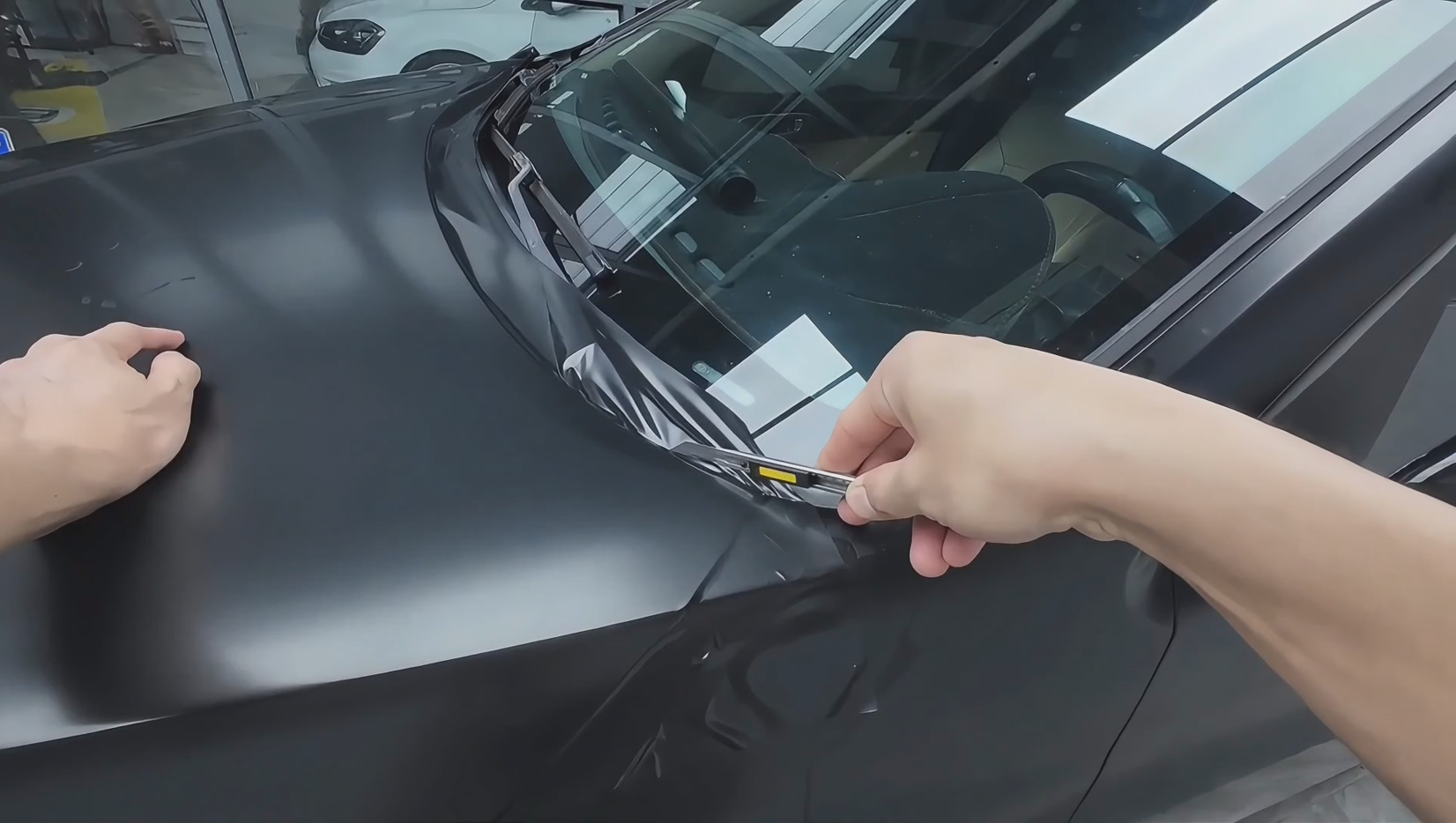
Limitations of Hand-Cut PPF
1. Longer Training Period
Learning hand-cut PPF requires significant practice.
A new installer needs time to develop:
- Cutting accuracy
- Film control
- Vehicle understanding
- Problem-solving skills
This makes employee training more challenging for growing shops.
2. Quality Can Depend on Individual Skill
One of the biggest challenges with hand cutting is consistency.
Two installers may complete the same vehicle differently.
Differences can appear in:
- Edge finishing
- Film coverage
- Cutting accuracy
- Installation time
For small shops with experienced owners, this may not be a major issue.
However, as businesses grow and add more employees, maintaining consistent quality becomes more difficult.
This is why many professional businesses focus on workflow standardization to make quality easier to maintain across different team members.
What Is Pre-Cut PPF?
Pre-cut PPF uses digital vehicle patterns and cutting systems to prepare film pieces before installation.
Instead of measuring and trimming every part manually, installers select a vehicle model and use existing pattern data to create the required shapes.
The process usually includes:
↓
Pattern Preparation
↓
Film Cutting
↓
Installation
↓
Final Inspection
This approach has become increasingly popular as PPF businesses look for more efficient and repeatable workflows.
Advantages of Pre-Cut PPF
1. Improved Consistency
One major benefit of pre-cut systems is consistency.
A properly prepared pattern allows different installers to follow the same starting point.
This can help reduce differences between technicians and create more predictable installation results.
For growing businesses, consistency becomes increasingly important because customers expect the same quality regardless of which installer completes the project.
2. Easier Training for New Installers
Pre-cut systems do not replace installation skills.
However, they can reduce some of the complexity involved in preparing film.
New technicians can focus more on:
- Surface preparation
- Film installation
- Finishing techniques
- Quality control
Instead of spending years only learning manual cutting skills, installers can spend more time improving the complete installation process.
3. Better Support for High-Volume Shops
For businesses handling many vehicles every month, efficiency becomes increasingly important.
Pre-cut workflows can help shops:
- Reduce preparation time
- Improve scheduling
- Lower material waste
- Handle more vehicles consistently
This is especially useful for growing businesses that need a more structured process.
Many shops are also paying more attention to accurate PPF cutting data because reliable information plays an important role in creating consistent results.
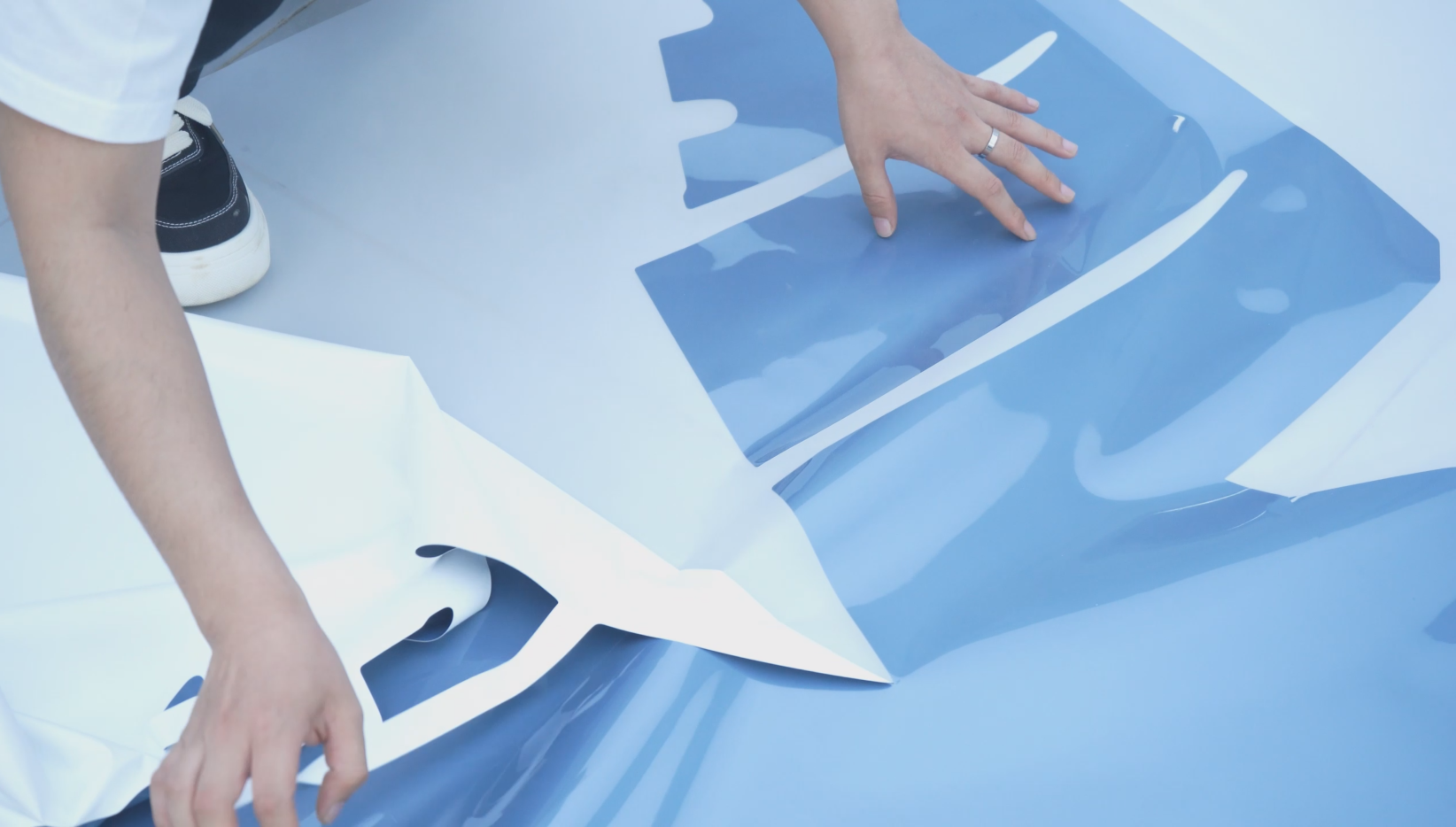
Why Hand Cutting Still Has Value
With the growth of digital cutting technology, some people believe hand cutting will disappear.
However, this is unlikely.
Hand cutting continues to have value because real-world installation is not always predictable.
Installers still encounter:
- Unique vehicle conditions
- Custom modifications
- Customer-specific requirements
- Special design requests
In these situations, experience and professional judgment remain important.
Technology can support installers, but it does not completely replace human decision-making.
Why More Shops Are Moving Toward Pre-Cut Systems
The increasing popularity of pre-cut PPF is not because hand cutting is no longer useful.
The reason is that the industry itself is changing.
Many shops now face:
- Higher labor costs
- Difficulty finding experienced installers
- More complex vehicle designs
- Faster customer expectations
A growing business cannot always depend on one highly skilled technician.
Pre-cut systems help create a more repeatable workflow.
They allow businesses to combine human skill with digital support.
This is also why more small film businesses are exploring pre-cut workflow solutions as part of their long-term development.
The Real Difference: Skill vs System
The discussion between hand-cut and pre-cut PPF is often presented as:
Traditional craftsmanship vs modern technology
But the reality is more balanced.
A successful PPF business needs both.
Skill is important because installers must understand:
- Film behavior
- Vehicle surfaces
- Installation techniques
A system is important because businesses need:
- Consistency
- Efficiency
- Training support
- Scalability
The future of PPF installation is not about replacing people with machines.
It is about helping skilled professionals work more effectively.
Choosing the Right Method for Your PPF Shop
There is no single method that works perfectly for every business.
The right approach depends on the type of shop, customer requirements, and long-term goals.
Small Custom Studios
Smaller shops may prefer more manual control because they often handle:
- Special projects
- Fewer vehicles
- Customized requests
Experience and flexibility can be major advantages in this type of business.
High-Volume PPF Shops
Shops with many daily installations usually need:
- Faster preparation
- More consistent results
- Easier employee training
A pre-cut workflow can provide stronger support for this business model.
Growing Businesses
For businesses planning to expand, combining both methods may be the best option.
They can use:
- Pre-cut systems for common vehicle models
- Manual adjustment for special situations
This creates a flexible workflow without sacrificing efficiency.
The Future of PPF Installation
The PPF industry is continuing to evolve.
Future installation processes will likely combine:
- Installer experience
- Accurate vehicle information
- Digital tools
- Better workflow management
The most successful shops will not necessarily be the ones using only one method.
They will be the ones that understand when to use each approach.
Hand cutting represents the craftsmanship that built the industry.
Pre-cut systems represent the direction toward greater efficiency and standardization.
Both have an important place in the future of PPF.
For businesses that want to understand more about operational difficulties and industry changes, this article connects well with our previous guide on PPF shop challenges .
Final Thoughts
The discussion between hand-cut and pre-cut PPF is not about deciding which method is better.
It is about understanding what each method can provide.
Hand cutting offers:
- Flexibility
- Customization
- Craftsmanship
Pre-cut systems offer:
- Consistency
- Efficiency
- Better workflow control
Professional PPF shops do not need to choose between experience and technology.
The strongest businesses combine both.
The future of PPF installation will belong to companies that can maintain professional craftsmanship while building efficient systems that support long-term growth.