



Do You Really Need a Bigger Cutting Plotter? How to Choose the Right Size for Your Shop
When buyers compare cutting plotters, one idea comes up again and again:
Bigger must be better.
A wider machine can handle larger material.
A larger platform looks more professional.
And if two machines are similar in price, choosing the bigger one can feel like the safer decision.
But that logic does not always work in a real shop.
A machine can be too small for your business.
But it can also be unnecessarily large.
For PPF, window tint, and vinyl shops, the right plotter size should match three things:
the materials you use, the space you have, and the jobs you actually do.
That sounds simple, but it is where many buying decisions go wrong.
Why Buyers Often Choose Larger Machines Than They Need
There is a natural tendency to buy for the future.
A shop owner may think:
“What if I get bigger jobs later?”
“What if I start doing more vinyl?”
“What if I need wider film next year?”
Those are reasonable questions.
The problem is when future possibilities become more important than current reality.
If most of your daily work uses standard-width rolls, and your shop rarely handles oversized graphics or very wide materials, buying a much larger machine may not improve daily efficiency at all.
You may simply end up with:
- more floor space used
- more difficult material handling
- a larger machine to maintain
- capacity that sits unused
This is why a buyer should not start with the machine size.
Start with the work.
First, Look at the Materials You Actually Use
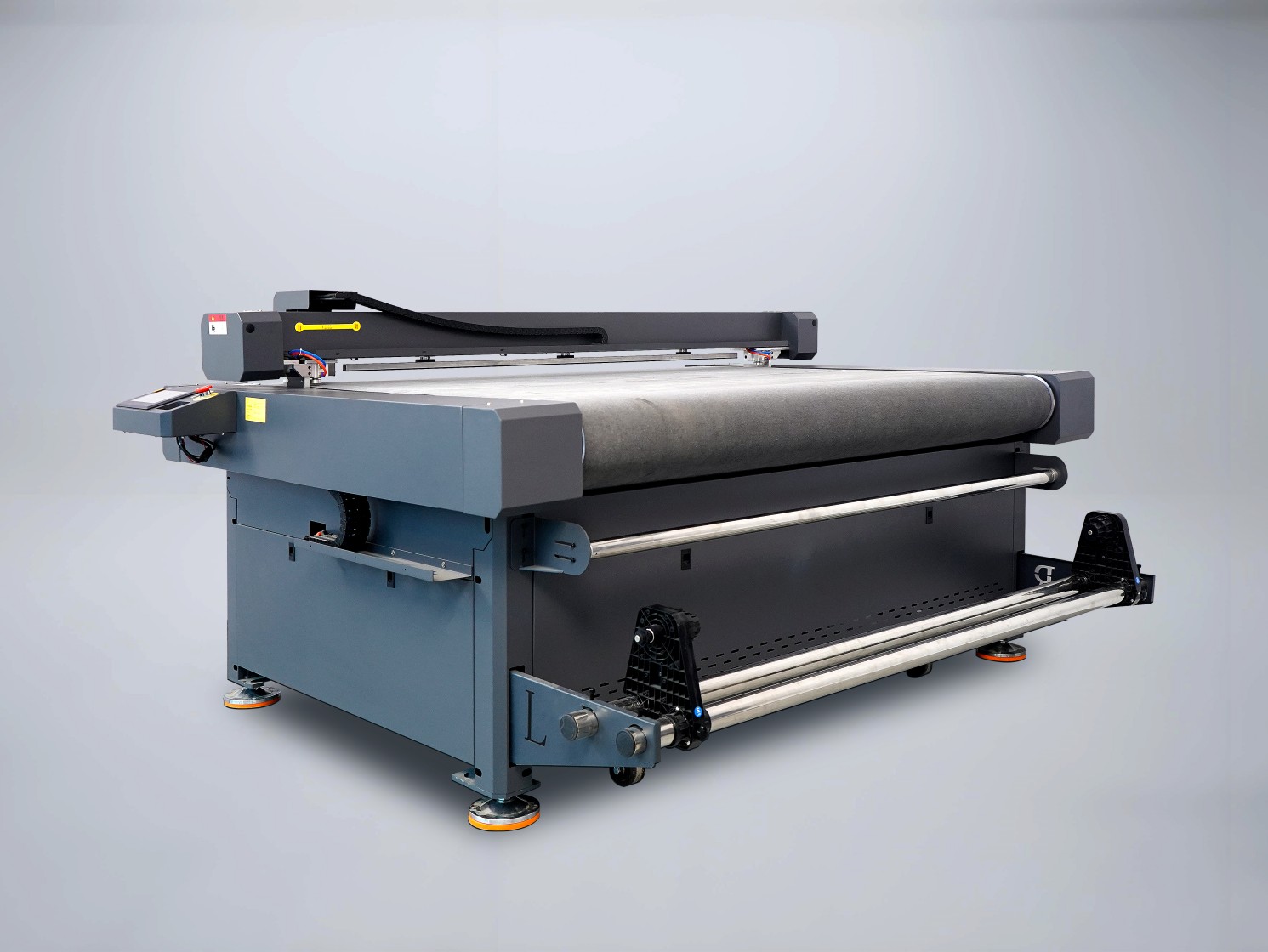
The simplest way to choose a plotter size is to look at your most common roll widths.
Not the widest roll you could possibly buy.
The ones you actually use every week.
PPF, window tint, and vinyl all have different material habits.
A shop mainly focused on window tint may work with different widths from a full-body PPF shop.
A vinyl wrap business may need more flexibility for large-format jobs.
That means the “right” plotter size can be very different from one shop to another.
Before buying, list the roll widths you use most often.
Then ask:
Can this machine comfortably handle those materials without forcing us to change how we work?
That question is more useful than simply comparing maximum cutting width.
PPF Shops Should Think About Panel Size, Not Just Roll Width
For PPF work, buyers often focus on the width of the film roll.
That matters.
But panel size matters too.
A hood, roof, door, bumper, or rocker panel may require very different cutting space.
Some jobs are easy to fit within a standard width.
Others need more room for pattern placement, nesting, or edge allowance.
This becomes especially important if your shop handles:
- full hoods
- large SUVs
- wide bumpers
- long rocker panels
- full-body PPF packages
A larger machine can make these jobs easier.
But if your business mostly installs smaller packages or partial front kits, that extra width may not be used very often.
The key is not asking:
“What is the biggest panel this machine can cut?”
It is asking:
“How often do we actually need that capacity?”
Window Tint Shops Usually Have Different Priorities
Window tint shops often care less about extreme cutting width and more about:
- repeatable feeding
- accurate long cuts
- fast job preparation
- easy daily operation
For this kind of work, an oversized machine may not offer much practical benefit.
If most of the material fits comfortably within a smaller footprint, a more compact machine may actually make the workspace easier to manage.
That matters in small shops.
Floor space has value.
A machine that is technically more capable but constantly gets in the way can reduce overall efficiency.
This is why the right plotter is not always the largest one your budget allows.
Vinyl Shops May Benefit More From Extra Width
Vinyl is where a wider machine can become much more useful.
Large graphics, commercial decals, body-side designs, and custom wrap pieces can require more cutting width.
For shops doing this kind of work regularly, extra capacity may be worth paying for.
But again, frequency matters.
If you only handle one oversized vinyl job every few months, it may not make sense to build your entire equipment choice around that rare order.
Sometimes outsourcing an unusual job is cheaper than buying a larger machine that stays underused.
Buy for your normal workload, not your rarest workload.
Bigger Machines Need More Space Than Buyers Expect
Machine dimensions on a specification sheet do not tell the full story.
A plotter also needs working space around it.
You need room for:
- loading material
- unloading material
- roll storage
- operator movement
- cables
- computers or control stations
- maintenance access
A machine that technically fits against a wall may still be frustrating to use every day.
This is especially important for smaller film shops where cutting, installation, storage, and customer areas may share the same room.
Before ordering a plotter, mark the actual footprint on the floor.
Then stand around it.
Imagine loading a full roll.
Imagine changing material.
Imagine 2 employees walking past while someone is cutting.
This simple test can prevent a bad equipment decision.
Do Not Forget the Material Path
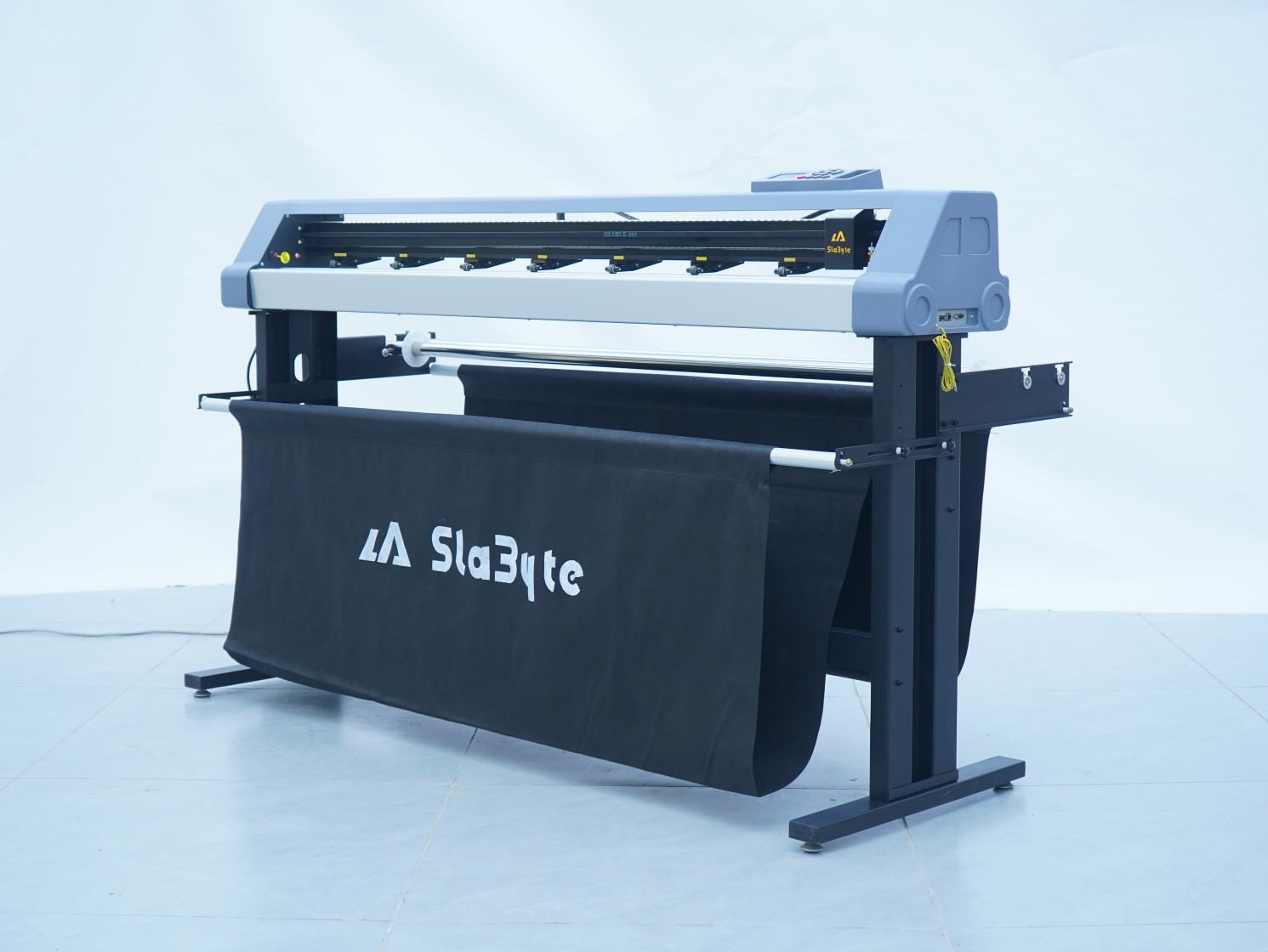
Plotter width is only one part of material handling.
The film still needs to move smoothly through the machine.
A larger roll or wider material may require more space behind and in front of the plotter.
If the material path is blocked, bent sharply, or constantly touching nearby objects, cutting quality can suffer.
This is why equipment layout matters almost as much as equipment size.
A smaller plotter in a well-organized space may perform better in daily use than a larger machine squeezed into a corner.
If you want to understand the kind of setup and feeding issues that can appear over time, our guide to common vinyl plotter problems and maintenance tips is a useful place to start.
When a Wider Plotter Is Actually Worth It
There are situations where choosing a larger machine is the right decision.
For example, a wider plotter may make sense if:
- your shop regularly handles large-format vinyl
- full-body PPF is a major part of your business
- you frequently cut large hood or roof patterns
- your material suppliers mainly provide wider rolls
- you have enough space for safe loading and feeding
- you expect consistent growth in larger-format jobs
In these cases, buying extra capacity can reduce future equipment changes.
The important word is regularly.
1 large project is not enough reason to redesign your shop around a larger machine.
A repeated workload is.
When a Smaller Plotter Is the Smarter Choice
A smaller machine can be the better business decision when:
- your shop has limited space
- most jobs use standard-width material
- you focus mainly on window tint
- you handle smaller PPF packages
- you want easy operation and lower workspace pressure
- your team does not need large-format cutting every day
Smaller does not automatically mean less professional.
If the machine covers your daily work, it may actually give you a cleaner workflow.
That is especially true for new or growing shops that need to control cost and floor space.
Think About Material Waste Too
Plotter size can also affect material efficiency.
A wider machine gives you more layout options.
But if your workflow is poorly planned, more width does not automatically mean less waste.
Good nesting matters more.
Pattern arrangement matters more.
Choosing the right roll for the job matters more.
A shop can still waste film on a large machine if it cuts pieces one by one without thinking about the full layout.
This is why equipment choice and material planning should be considered together.
If material loss is already a problem in your shop, our article on improving installation efficiency and saving film explains why planning and workflow often matter more than simply adding equipment capacity.
Software Compatibility Matters More Than Width Alone
A cutting plotter is not used by itself.
It needs to work with software, files, and your existing job preparation process.
Before buying, check:
- whether your software supports the machine
- whether cutting settings are easy to manage
- whether the machine handles your common file types
- whether long jobs can be sent reliably
- whether nesting and cutting workflows are smooth
A wide machine with poor software compatibility can become a daily frustration.
A smaller machine that works perfectly with your software may be much easier to run.
Look at the complete workflow, not just the hardware dimensions.
For a broader look at how software, data, and equipment should work together, see our article on workflow from data to delivery .
Think About the Shop You Have, Not Just the Shop You Want
Growth planning is important.
But buying equipment for a future business that does not exist yet can create unnecessary cost.
A shop doing 5 cars a week has different needs from a shop doing 20.
A new tint shop has different needs from a mature PPF business.
A wrap studio doing commercial graphics has different needs from a shop focused on protection film.
Your plotter should match your current business closely enough to be useful now.
It should also have enough room for reasonable growth.
That balance is better than buying the biggest machine available and hoping the business grows into it.
A Simple Buying Test
Before purchasing, take your last 20–30 jobs and review them.
For each job, note:
- material type
- roll width
- largest piece
- cutting time
- whether the job needed special handling
Then compare that list with the machine you are considering.
If the plotter comfortably handles almost all of your regular work, it is probably large enough.
If a large percentage of jobs already exceed its capacity, it may be too small.
If almost none of your jobs use the extra width you are paying for, it may be larger than necessary.
Real job analysis is much more useful than buying based on a specification sheet alone.
If you are still comparing different types of equipment, our earlier guide on choosing a cutting plotter for film work can help you look beyond size and consider stability, compatibility, and daily use as well.
What Buyers Should Ask Before Choosing a Plotter Size
Before making the decision, ask yourself:
- What material widths do we actually use?
- What is the largest job we handle regularly?
- How much floor space do we really have?
- Is there enough room for material feeding?
- Do we mainly cut PPF, tint, vinyl, or a mix?
- How often do we need oversized cutting capacity?
- Will our current software work smoothly with the machine?
- Are we buying for real growth or just for “just in case”?
If you can answer those clearly, choosing the machine becomes much easier.
Final Thoughts
The biggest plotter is not automatically the best plotter.
A larger machine gives you more capacity.
But capacity only has value if you actually use it.
For many shops, the better choice is a machine that fits naturally into daily work.
It should handle the materials you use most often.
It should fit your physical space.
It should work with your software.
And it should leave enough room for the kind of growth your business is realistically expecting.
The best plotter is not the biggest one. It is the one that fits your materials, your space, and the jobs you actually do.
That is the difference between buying more machine and buying the right machine.