



7 Common Challenges Every PPF Shop Faces and How to Improve Them
The PPF industry has grown rapidly in recent years.
More vehicle owners are looking for paint protection, better appearance, and long-term vehicle value preservation. This creates new opportunities for professional PPF shops.
However, running a successful PPF business is not only about having good film or skilled installers.
As many shop owners discover, the real challenges often appear after the business starts growing.
More customers mean more pressure:
- More vehicles to complete
- Higher customer expectations
- More complicated vehicle designs
- Greater demand for consistent quality
A small mistake that happens occasionally in a small shop can become a serious problem when the business handles more vehicles every month.
Successful PPF shops are not only focused on installation.
They focus on building a complete system that helps maintain quality, improve efficiency, and support long-term growth.
This article explores seven common challenges PPF shops face and how businesses can improve their operations.
Challenge 1: Maintaining Consistent Installation Quality
One of the biggest challenges for PPF shops is maintaining the same quality across different installers.
Many businesses start with one experienced technician.
This person understands:
- Film behavior
- Vehicle surfaces
- Stretching techniques
- Edge handling
However, as the business grows, relying on one skilled installer becomes difficult.
New employees may have different experience levels and different working methods.
This can create problems such as:
- Different installation results
- Uneven edge finishing
- Longer training periods
- More customer complaints
The solution is not simply hiring more experienced installers.
Professional shops usually focus on creating a more standardized workflow.
A stable process helps every installer understand:
- Preparation steps
- Installation sequence
- Quality standards
- Final inspection requirements
The goal is not to remove craftsmanship.
The goal is to make good craftsmanship easier to repeat.
For shops looking to improve daily consistency, a structured workflow system can help connect different steps of the installation process.
Challenge 2: Reducing Material Waste
Material waste is one of the most overlooked issues in PPF businesses.
Many shop owners focus on increasing sales but forget that profitability is also affected by how efficiently materials are used.
PPF film is a valuable material.
Small mistakes repeated every day can create significant costs over time.
Common causes of material waste include:
- Incorrect measurements
- Installation mistakes
- Poor planning
- Excessive trimming
Reducing waste does not always mean using cheaper materials.
In many cases, it means improving preparation and workflow.
Professional shops usually pay attention to:
- Better planning before installation
- Accurate vehicle information
- Proper material handling
- Recording previous experience
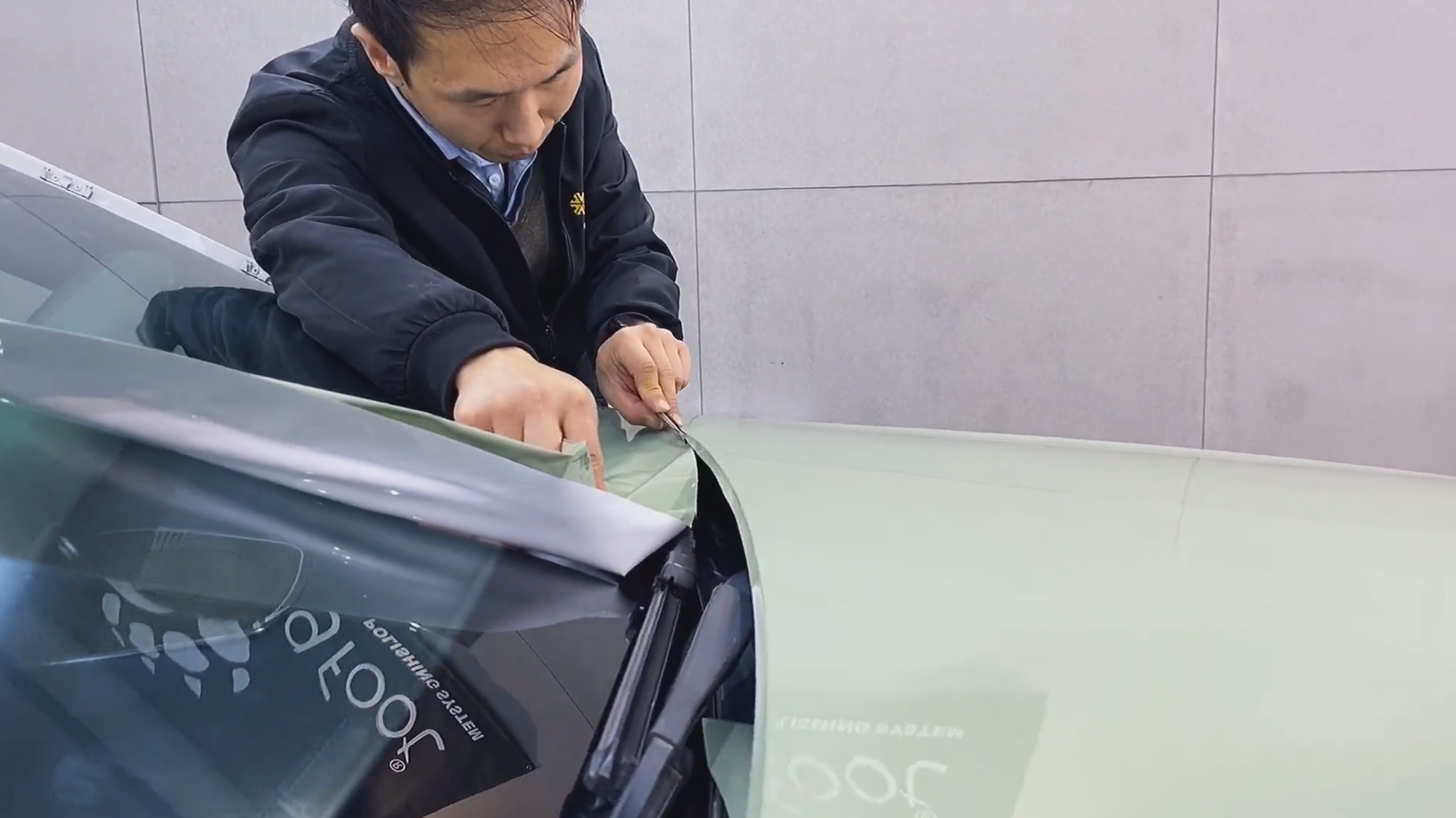
A more organized process helps reduce unnecessary consumption while maintaining installation quality.
Challenge 3: Training New Installers
Finding and training skilled PPF installers is one of the biggest problems in the industry.
PPF installation is not a simple skill that can be mastered in a few days.
A professional installer needs to understand many factors:
- Surface preparation
- Film stretching
- Heat control
- Edge finishing
This is why many shops struggle when trying to expand their teams.
An experienced installer may complete difficult projects easily, but transferring that knowledge to new employees requires time and a structured training approach.
Successful shops usually build training systems instead of relying only on individual experience.
Good training helps new installers understand:
- Why each step matters
- How to avoid common mistakes
- How to solve installation problems
A business becomes easier to scale when knowledge becomes part of the system.
Challenge 4: Handling Increasingly Complex Vehicle Designs
Modern vehicles are changing quickly.
New vehicle designs often include:
- More complex curves
- Larger body panels
- Advanced sensors
- Unique aerodynamic shapes
Electric vehicles have also introduced new challenges for installers.
Compared with older vehicle designs, modern cars often require more careful planning before installation.
For installers, this means experience alone may not always be enough.
They need:
- Updated vehicle information
- Better preparation methods
- More accurate planning
- Flexible problem-solving skills
The industry is moving toward a combination of human experience and digital support.
Technology does not replace installers.
It helps installers handle increasingly complex jobs more efficiently.
id="part2"Challenge 5: Balancing Speed and Installation Quality
Every PPF shop faces the same question:
How can we complete more vehicles without reducing quality?
Customers want faster service.
Businesses want higher productivity.
However, focusing only on speed can create long-term problems.
Common consequences of rushing installation include:
- More installation errors
- Increased rework
- Lower customer satisfaction
- Higher material consumption
Professional shops understand that efficiency is not simply about working faster.
Real efficiency comes from improving the entire process.
This includes:
- Better preparation
- Clear job scheduling
- Organized workspace
- Better communication between team members
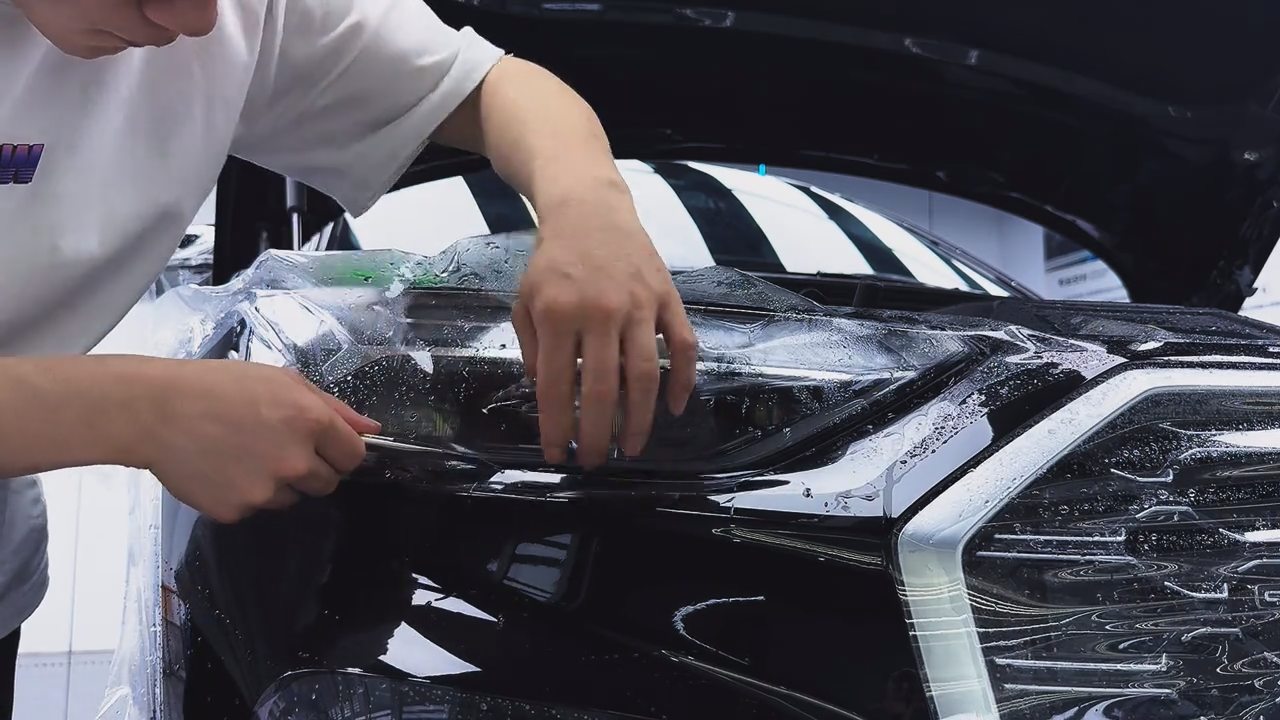
A well-designed workflow allows installers to work faster while maintaining quality.
Challenge 6: Keeping Up With Industry Changes
The automotive film industry continues to evolve.
New products, vehicle models, and customer expectations appear regularly.
A successful shop cannot rely only on what worked several years ago.
Businesses need to continue learning about:
- New film technologies
- Updated installation methods
- Changing vehicle designs
- Customer preferences
Continuous learning has become an important part of staying competitive.
Professional installers who continue improving their skills can provide better service and adapt to market changes.
For businesses, growth does not only come from getting more customers.
It also comes from continuously improving how the work is completed.
Challenge 7: Building a Business That Can Scale
Many PPF shops are successful when they are small.
The owner manages customers.
One or two technicians complete installations.
Quality can be controlled through personal supervision.
However, growth creates new challenges.
When the number of vehicles increases, businesses need stronger systems.
A scalable PPF shop usually focuses on:
- Standard processes
- Employee training
- Quality control
- Customer management
The goal is not only completing more vehicles.
The goal is maintaining the same quality while completing more vehicles.
This is the difference between a skilled installer and a professional business.
How Technology Supports Better PPF Operations
Technology is becoming a bigger part of modern PPF workflows.
However, technology should not be viewed as a replacement for skilled installers.
Its purpose is to reduce unnecessary problems and help businesses operate more efficiently.
Modern tools can support areas such as:
- Vehicle pattern preparation
- Workflow organization
- Installation consistency
- Employee training
For example, accurate vehicle information and flexible software can help installers prepare jobs more efficiently.
This is why many professional shops pay attention to improving their pre-cut workflow rather than focusing only on individual tools.
The purpose of technology is not to replace experience.
It is to help experienced installers spend more time on important work and less time solving repetitive problems.
The Importance of Building a Complete Workflow
Many businesses focus on individual tools.
They ask:
“Which machine should we buy?”
“Which film should we choose?”
“Which software is the best?”
These questions are important.
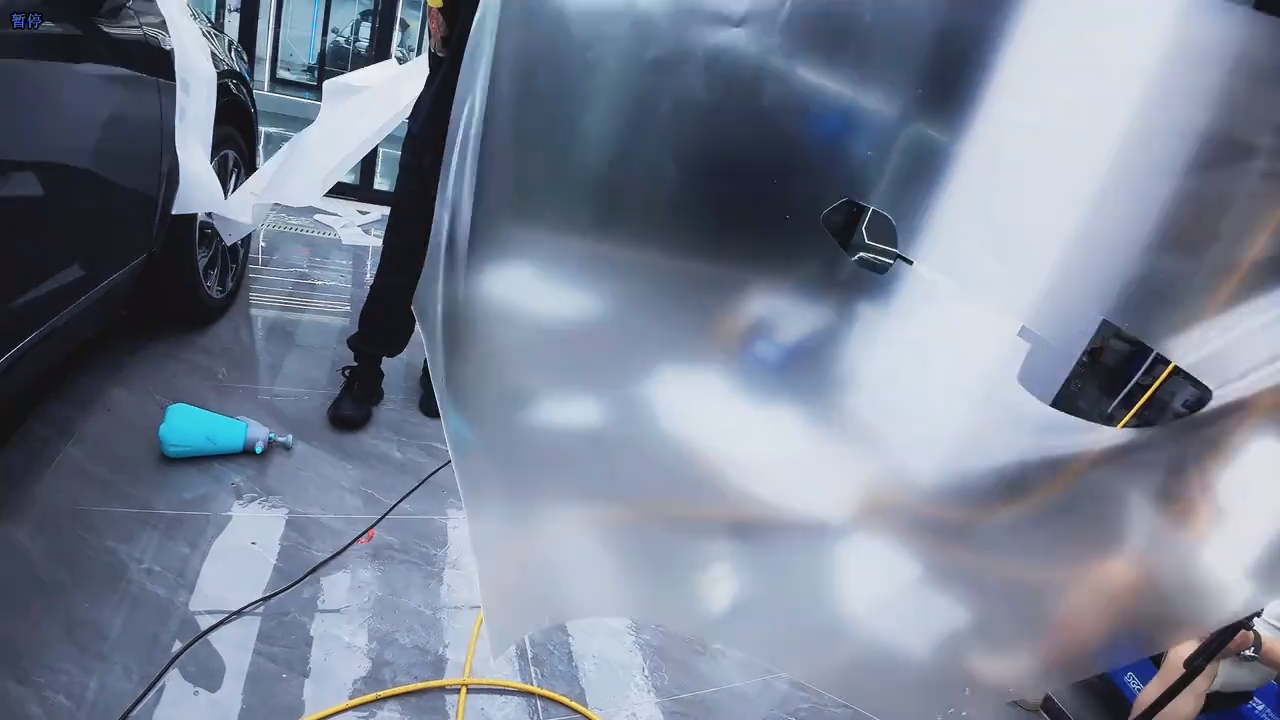
However, a successful PPF business depends on how every part works together.
A complete workflow includes:
↓
Preparation
↓
Cutting
↓
Installation
↓
Quality Inspection
↓
Customer Delivery
When every step is connected, businesses can reduce mistakes and create more predictable results.
For shops looking to improve the connection between preparation, cutting, and delivery, a structured workflow from data to delivery can provide useful insights.
How Professional PPF Shops Continue Improving
The best PPF businesses understand that improvement never stops.
Even successful shops continue looking for ways to improve:
- Installation quality
- Employee skills
- Material efficiency
- Customer experience
A professional mindset means regularly asking:
“How can we make our process better?”
This mindset helps businesses adapt to changes and remain competitive.
Final Thoughts
The biggest challenges in the PPF industry are not only about equipment.
They are about building a reliable business system.
A successful PPF shop needs:
- Skilled installers
- Good training
- Efficient workflows
- Accurate information
- Strong quality control
The businesses that succeed in the future will not only be the ones that install more vehicles.
They will be the ones that can deliver consistent quality every time.
PPF is not just a technical service.
It is a professional industry that requires knowledge, experience, and a smart approach to business management.
Building a successful PPF shop is not about finding one perfect tool.
It is about creating a system where people, processes, and technology work together.